
Workplace Fire Safety: 15 Essential Tips to Protect Your Employees and Business
Aspira Training
July 15, 2026
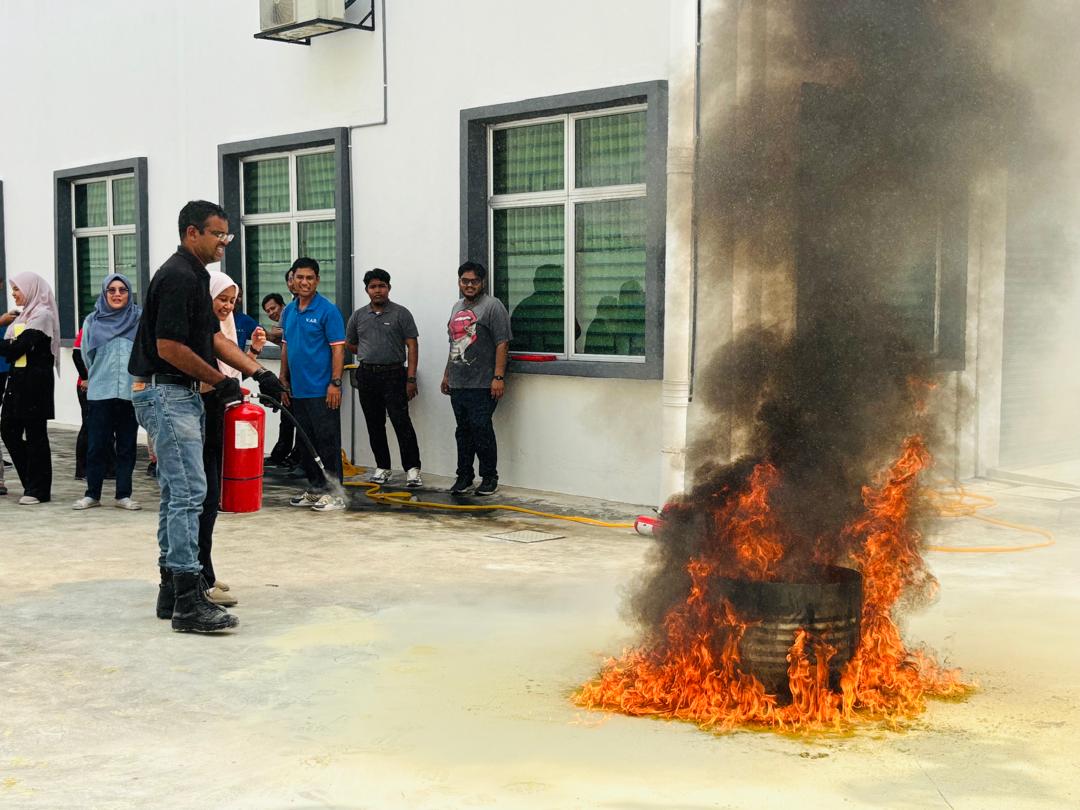
Workplace Fire Safety refers to the policies, procedures, equipment, and training implemented to prevent fires, protect employees, and minimise damage to property during a fire emergency. Every workplace, whether it is an office, warehouse, manufacturing plant, hospital, retail outlet, or educational institution, faces potential fire hazards.
A single fire incident can disrupt operations, result in costly damages, and most importantly, place lives at risk. This is why workplace fire safety should never be viewed as a one-time compliance exercise. Instead, it should be integrated into an organisation’s daily operations through regular inspections, employee awareness, and ongoing fire safety training.
At Aspira Training, we believe that every employee should understand how to identify fire hazards, respond confidently during emergencies, and contribute to a safer working environment.
Want to Improve Workplace Safety in Your Organization?
What is Workplace Fire Safety?
Workplace Fire Safety is the practice of preventing fires, preparing employees for emergencies, and ensuring workplaces have the correct equipment and procedures to minimise risks.
Whether you operate a small office or a large industrial facility, implementing effective workplace fire safety measures helps protect employees, customers, equipment, and business continuity.
Why Workplace Fire Safety Matters
Investing in workplace fire safety offers numerous benefits, including:
- Reducing workplace injuries and fatalities
- Protecting company assets
- Minimising operational downtime
- Meeting occupational safety requirements
- Lowering insurance risks
- Improving emergency preparedness
- Building employee confidence
- Enhancing organisational reputation
Common Causes of Workplace Fires
Electrical Faults
Damaged wiring, overloaded sockets, faulty machinery, and poor maintenance remain among the leading causes of workplace fires.
Improper Storage of Flammable Materials
Chemicals, fuels, paints, solvents, and cleaning agents should always be stored according to safety guidelines.
Human Error
Common mistakes include:
- Leaving equipment switched on
- Smoking in prohibited areas
- Blocking emergency exits
- Improper disposal of waste
- Unsafe use of electrical appliances
Poor Housekeeping
Clutter, dust, paper waste, and blocked escape routes can significantly increase fire risks.
Common Causes of Workplace Fires
Electrical Faults
Damaged wiring, overloaded sockets, faulty machinery, and poor maintenance remain among the leading causes of workplace fires.
Improper Storage of Flammable Materials
Chemicals, fuels, paints, solvents, and cleaning agents should always be stored according to safety guidelines.
Human Error
Common mistakes include:
- Leaving equipment switched on
- Smoking in prohibited areas
- Blocking emergency exits
- Improper disposal of waste
- Unsafe use of electrical appliances
Poor Housekeeping
Clutter, dust, paper waste, and blocked escape routes can significantly increase fire risks.
15 Essential Workplace Fire Safety Tips
1. Conduct Regular Fire Risk Assessments
Identify hazards before they become emergencies.
2. Install and Maintain Fire Alarms
Early detection saves lives.
3. Inspect Fire Extinguishers Regularly
Ensure extinguishers remain serviced and easily accessible.
4. Keep Emergency Exits Clear
Emergency exits should never be blocked.
5. Train Every Employee
Fire safety is everyone’s responsibility.
6. Perform Routine Fire Drills
Practice reduces panic during real emergencies.
7. Store Flammable Materials Safely
Always follow manufacturer storage recommendations.
8. Avoid Overloading Electrical Circuits
Never overload power outlets or extension cords.
9. Replace Damaged Electrical Equipment
Faulty appliances should be repaired or replaced immediately.
10. Maintain Good Housekeeping
Clean workplaces reduce combustible materials.
11. Clearly Label Emergency Equipment
- Fire Extinguishers
- Fire Hose Reels
- Fire Alarms
- Emergency Exits
- Assembly Points
12. Develop an Emergency Response Plan
Every employee should understand evacuation procedures and emergency contacts.
13. Assign Fire Wardens
Fire wardens help coordinate safe evacuations.
14. Review Fire Safety Procedures Annually
Fire safety procedures should evolve alongside your business.
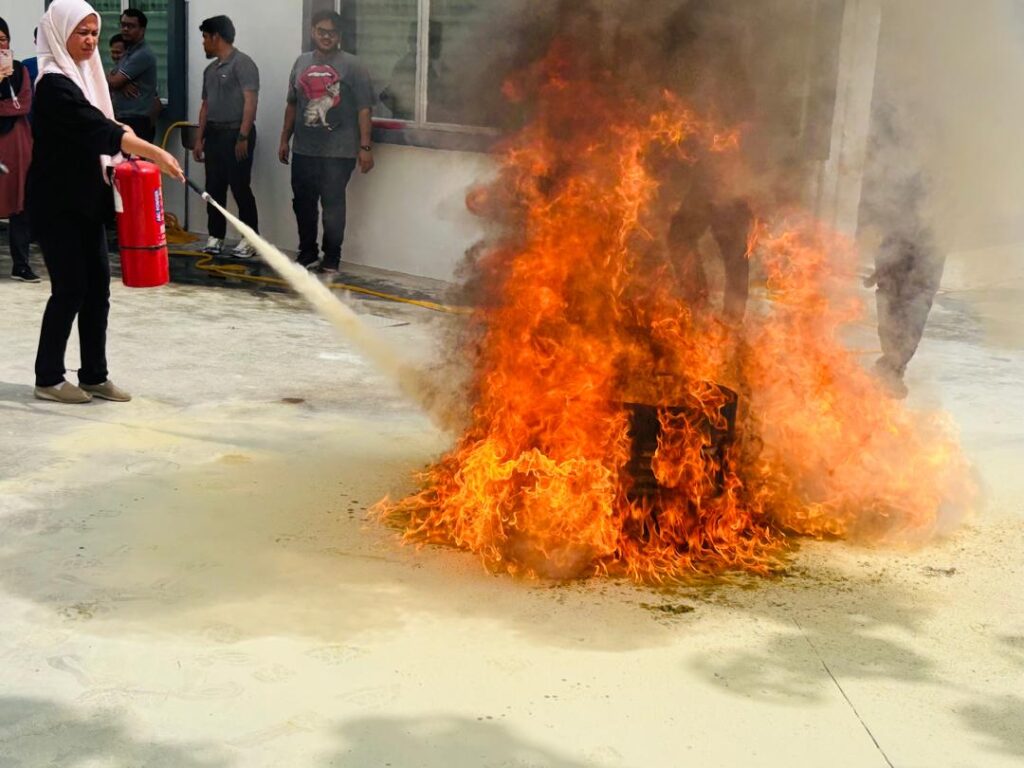
15. Invest in Professional Workplace Fire Safety Training
Professional training equips employees with the confidence and skills to respond effectively during emergencies.
Why Choose Aspira Training?
At Aspira Training, we provide practical, engaging, and industry-focused workplace fire safety programmes designed for organisations across Malaysia.
Our experienced trainers combine theory with hands-on practical exercises to ensure participants gain the confidence and knowledge required to respond safely during fire emergencies.